
BUILD
Back to articles
Getting Started

How to Start a Snack Business in 2026

The snack food industry is massive. Americans spend over $150 billion annually on snacks. Here's how to start a profitable snack business in 2026 with low startup costs.

Team Build
March 12, 2026
9 min read

The snack food industry is massive. Americans spend over $150 billion annually on snacks, and the market continues growing as consumers seek convenient, healthy, and unique options.

You don't need a commercial kitchen or massive capital to start a snack business. You can begin selling at farmers markets, online, or to local stores with minimal investment while testing products and building demand.

Here's how to start a profitable snack business in 2026.


Understanding the Snack Business Landscape

You're entering a competitive but fragmented market with room for differentiation.

Why Snack Businesses Work

  • Consumers constantly seek new flavors and healthier options.

  • Local and artisanal products command premium prices over mass-produced snacks.

  • Low overhead compared to restaurants or bakeries.

  • Scalable from home kitchen to commercial production.

  • Multiple sales channels available (retail, online, wholesale, events).

Types of Snack Businesses

Healthy Snacks

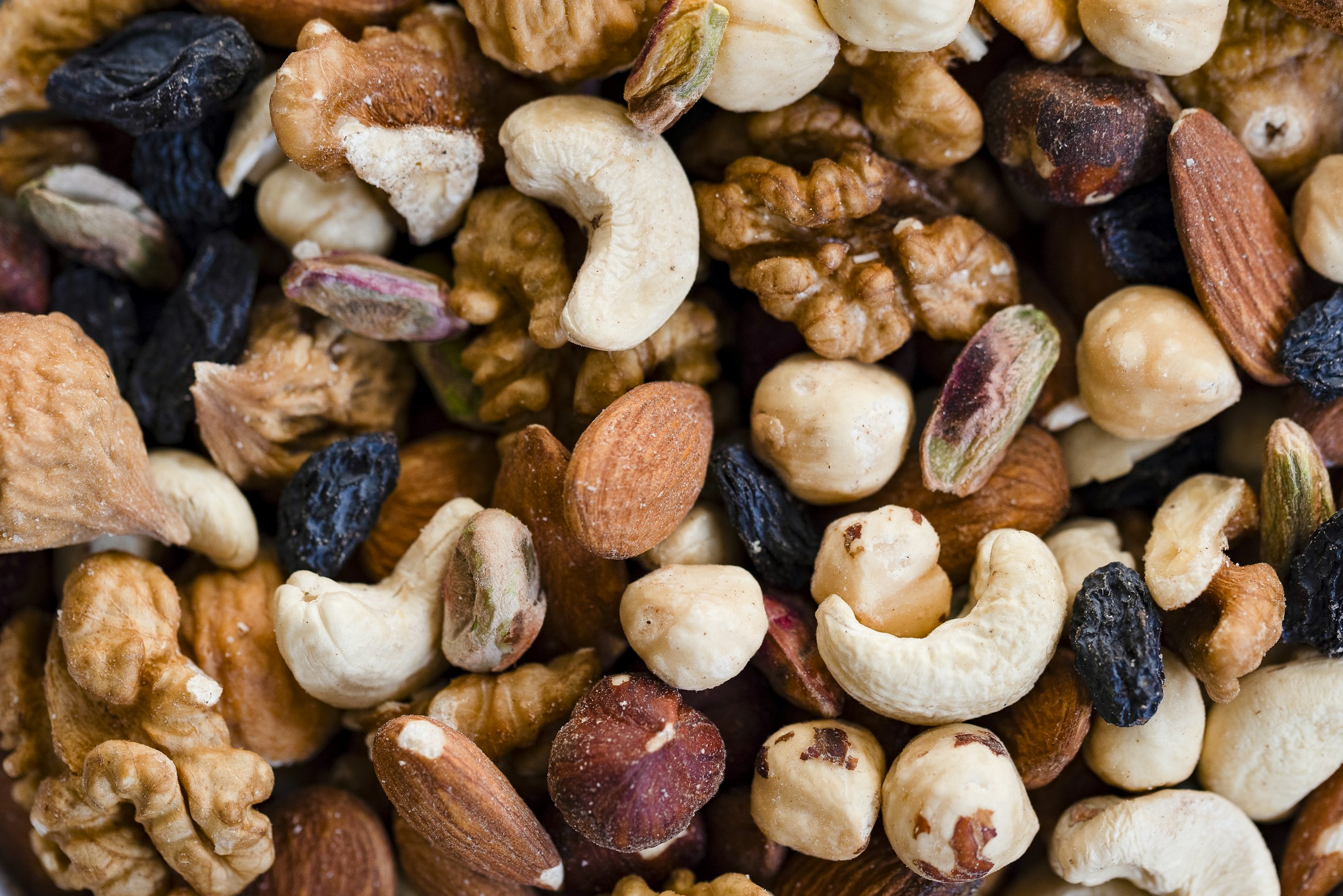
Protein bars, granola, trail mix, dried fruit, veggie chips, kale chips, protein balls.

Target health-conscious consumers willing to pay premium prices.

Specialty Popcorn

Gourmet flavors (caramel, cheese, spicy, sweet), unique ingredient combinations, gift tins and packaging.

Lower barrier to entry, proven market demand.

Baked Goods and Cookies

Cookies, brownies, biscotti, crackers.

Requires baking skills but familiar to consumers.

Nuts and Seed Mixes

Roasted and seasoned nuts, seed blends, nut butter.

Higher ingredient costs but excellent margins.

Ethnic or Regional Specialties

Unique snacks from specific cuisines or regions.

Appeals to nostalgia and adventurous eaters.

Jerky and Meat Snacks

Beef jerky, turkey jerky, biltong.

Requires specific equipment and food safety knowledge.

High demand, premium pricing.

Most successful snack businesses start with 1-3 core products, perfect them, then expand the line.


Start-Up Costs and Kitchen Requirements

You can start small and scale as demand grows.

Cottage Food Laws (Low-Cost Start)

Most states allow home-based food production under cottage food laws.

Typically limited to non-potentially hazardous foods (baked goods, granola, popcorn, some dried foods).

Annual sales caps ($15,000-$50,000 depending on state).

Can only sell directly to consumers (farmers markets, online, from home).

Cannot sell wholesale to stores in most states.

Start-Up Costs Under Cottage Food ($500-3,000)

  • Ingredients for initial batches: $200-500

  • Packaging and labels: $200-800

  • Business license: $50-200

  • Liability insurance: $500-1,000 annually

  • Website or online store setup: $200-500

  • Farmers market fees: $25-100 per market


Commercial Kitchen (Scaling Operation)

Required for wholesale sales to retailers, selling potentially hazardous foods (some jerky, certain products), exceeding cottage food sales limits, or if your state has restrictive cottage laws.

Options

  • Rent commercial kitchen space: $15-50 per hour or $500-2,000 monthly

  • Shared commercial kitchen/food incubator: $300-1,500 monthly

  • Build your own licensed kitchen: $20,000-100,000+

Commercial Kitchen Start-Up Costs ($5,000-15,000)

  • Commercial kitchen rental: $500-2,000 monthly

  • Commercial-grade equipment: $2,000-8,000

  • Inventory and ingredients: $1,000-3,000

  • Packaging equipment and supplies: $1,000-3,000

  • Business licenses and permits: $300-1,500

  • Liability insurance: $1,000-2,500 annually

  • Website and e-commerce: $500-2,000

Most operators start under cottage food laws, prove the concept, then transition to commercial kitchen for wholesale expansion.


Legal Requirements and Food Safety

Food businesses face strict regulatory oversight.

Business Registration

LLC Formation

Protects personal assets.

Cost: $100-500 depending on state.

Food Handler's Permit

Required in most areas.

Demonstrates food safety knowledge.

Cost: $10-50, online courses available.

Business License

Required by most cities.

Cost: $50-300 annually.

Cottage Food License

If operating under cottage food laws.

Requirements vary by state.

Cost: $0-200 annually.


Food Safety and Labeling

Nutrition Facts Labels

Required for packaged foods.

Must include accurate nutrition information, allergen warnings, ingredient lists, net weight.

Can calculate yourself or hire lab testing ($100-500 per product).

FDA Compliance

Follow FDA labeling requirements.

Accurate ingredient declarations.

Proper allergen labeling (major allergens: milk, eggs, fish, shellfish, tree nuts, peanuts, wheat, soybeans).


Food Safety Certifications

ServeSafe or Similar Certification

Demonstrates food safety knowledge.

Cost: $15-150 depending on level.

HACCP (Hazard Analysis Critical Control Points)

May be required for certain products.

More advanced food safety training.


Insurance Requirements

Product Liability Insurance

Covers claims if someone gets sick from your product or claims injury.

Minimum $1 million coverage recommended.

Cost: $500-2,000 annually for small operations.

General Liability Insurance

Covers accidents at markets or events where you sell.

Cost: $400-1,000 annually.

Never operate without insurance. One lawsuit destroys your business and personal finances.


Product Development and Testing

Your product must taste great AND be profitable to produce.

Recipe Development

Start with proven base recipes if you're not experienced.

Test multiple variations to find your signature version.

Get honest feedback from people outside your family.

Consider shelf life and stability (will it stay fresh for weeks or months?).


Costing Your Product

Calculate true cost per unit including:

  • Raw ingredients

  • Packaging (bags, labels, boxes)

  • Labor (your time has value)

  • Kitchen rental if applicable

  • Shipping materials for online sales

  • Sampling and waste


Pricing Formula

Retail price should be 4-5x ingredient cost minimum.

This covers production costs, overhead, profit, and wholesale margins if selling to stores.

Example

Trail mix costs $1.50 to make per 8oz bag.

Retail price: $6-8.

Wholesale price to stores: $3-4.

Store marks up to $6-9.99 retail.


Testing and Validation

Give samples to target customers for honest feedback.

Sell at farmers markets or events to gauge interest.

Start with small batches to minimize waste.

Iterate based on customer reactions and sales data.

Don't fall in love with a product customers won't buy.


Packaging and Branding

Packaging sells snacks. Consumers make split-second decisions based on appearance.

Packaging Requirements

  • Food-safe packaging appropriate for your product

  • Clear windows showing product (important for snacks)

  • Resealable bags or packaging that maintains freshness

  • Compliant labeling with all required information


Packaging Options

Stand-up pouches

Professional appearance, various sizes, resealable.

Cost: $0.20-1.50 per bag depending on size and features.

Cello bags with labels

Lower cost, simple.

Cost: $0.05-0.30 per bag plus labels.

Boxes or tins

Premium presentation, higher cost.

Good for gift markets.

Cost: $0.50-5.00+ per unit.

Glass jars

Premium feel, reusable, higher cost.

Works for granola, nuts.

Cost: $0.40-2.00 per jar.


Branding Elements

  • Professional logo and brand identity

  • Consistent color scheme across products

  • Clear product name and flavor

  • Story or brand mission (consumers connect with stories)

  • High-quality product photography for online sales

Invest in professional design or use services like Canva with food packaging templates.

Your packaging competes with established brands on shelves.


Sales Channels and Distribution

Multiple revenue streams reduce risk and maximize reach.

Farmers Markets and Events

Pros

  • Direct customer feedback

  • Immediate cash flow

  • Builds local following

  • Lower barrier to entry

Cons

  • Weather dependent

  • Limited hours

  • Inconsistent revenue

Tips

  • Sample generously

  • Engage customers in conversation

  • Bring variety of products

  • Professional display setup

  • Accept multiple payment methods (cash, card, Venmo)

Booth fees: $25-100 per market.

Revenue potential: $200-1,000+ per market day.


Online Direct-to-Consumer

Platforms

  • Your own website with Shopify/WooCommerce

  • Etsy for artisanal products

  • Amazon for wider reach

Pros

  • Unlimited geographic reach

  • 24/7 sales

  • Builds email list and customer data

Cons

  • Shipping costs eat into margins

  • Customer acquisition costs

  • Need strong product photography and descriptions

Shipping considerations

Snacks are lightweight (lower shipping costs than many products).

Use USPS Priority Mail for reliable 2-3 day delivery.

Consider flat rate boxes for cost predictability.


Wholesale to Retail Stores

Target stores

Independent grocers, natural food stores, coffee shops, gift shops, tourist shops.

Approach

Start with stores you shop at.

Bring samples and sell sheets.

Offer trial consignment initially.

Provide point-of-sale materials.

Wholesale pricing

Typically 40-50% discount off retail price.

Stores need to double your wholesale price minimum.

Terms

Net 30 payment (you wait 30 days for payment).

Consignment (store pays only for what sells).

Or purchase order (store buys upfront).


Subscription Boxes and Corporate Gifts

Partner with subscription box companies seeking artisanal snacks.

Offer corporate gift boxes or custom branded products.

Holiday gifting is major revenue opportunity (November-December).


Food Distributors

For significant scale, work with distributors who place products in multiple stores.

Requires proven sales track record and ability to produce volume.

Distributors take 20-30% margins on top of wholesale pricing.


Production and Scaling

Start small, prove demand, scale production systematically.

Phase 1: Cottage Food Operation (Months 1-6)

Produce small batches from home kitchen (50-200 units weekly).

Sell at 2-3 farmers markets weekly.

Develop online presence and build email list.

Perfect recipes and gather customer feedback.

Revenue: $500-2,000 monthly.


Phase 2: Transition to Commercial Kitchen (Months 7-18)

Move to commercial kitchen rental for larger batches and wholesale eligibility.

Begin wholesale relationships with 5-10 local stores.

Continue farmers markets for cash flow and customer connection.

Hire part-time help for production.

Revenue: $3,000-8,000 monthly.


Phase 3: Dedicated Production Facility (Year 2-3+)

Lease or build commercial kitchen space.

Hire production staff.

Expand wholesale distribution to 25-50+ stores.

E-commerce becomes significant revenue stream.

Consider regional or national distribution.

Revenue: $15,000-50,000+ monthly.


Co-Packing Option

Instead of producing yourself, contract with co-packers (commercial manufacturers who make your product to your recipe).

Requires larger minimum orders (typically 500-5,000 units minimum).

Lower per-unit costs at scale.

Frees you to focus on sales and marketing rather than production.


Marketing Your Snack Business

Sampling is your most effective marketing tool.

In-Person Sampling

  • At farmers markets (let customers taste before buying)

  • In stores that stock your product (coordinate demo days)

  • At food festivals and events

  • Partner with complementary businesses (coffee shop carries your granola, do sampling events)

Nothing sells snacks like tasting them.


Social Media Marketing

Instagram

Product photography, behind-the-scenes production, customer testimonials, recipes using your products.

Facebook

Community building, event announcements, customer reviews.

TikTok

Quick recipe videos, production process, taste tests.

Build following before you need it.

Post consistently even when starting small.


Content Marketing

Blog about recipes, nutrition, your story.

Create email newsletter with exclusives for subscribers.

Share at farmers markets, events, and on packaging.

Offer first-purchase discounts for email signups.


Partnerships and Collaborations

Partner with complementary brands (your granola with local honey).

Collaborate with influencers in your niche (health food bloggers, local foodies).

Sponsor local events or sports teams.

Get featured in local media (food writers love local artisan stories).


Word of Mouth

Exceptional product quality creates natural referrals.

Encourage reviews on Google, Facebook, your website.

Create shareable moments (beautiful packaging, surprise inclusions, handwritten thank you notes).

Referral incentives (give existing customers discount for referring friends).


Common Mistakes to Avoid

  • Underpricing products.

  • Ignoring food safety.

  • Inconsistent product quality.

  • Scaling too fast.

  • No clear target market.

  • Poor packaging.

Many new food businesses fail to account for all costs and underprice. Calculate full costs including your labor.

One illness linked to your product destroys your business. Follow all food safety protocols meticulously.

Customers expect identical product every time. Document recipes precisely and follow them exactly.

Don't commit to large wholesale orders you can't fulfill reliably. Grow capacity before accepting huge orders.

"Everyone loves snacks" is not a target market. Define who specifically wants your product.

Cheap, unprofessional packaging undermines premium product. Invest in quality packaging from the start.


Your Next Steps

Starting a snack business offers creative fulfillment and profit potential with manageable startup costs.

The food industry is competitive but has room for quality, unique products with strong branding.

The business foundation overwhelms most people before they make their first batch.

Professional business name, brand identity that stands out on shelves, website that converts browsers into buyers.

BUILD Sprint handles that foundation in one hour for $99.

Here's what you get:

  • IdeaBuild: Validate your snack business concept and target market

  • NameBuild: Professional business name with domain availability

  • LogoBuild: Complete brand identity (logo, colors, fonts for packaging)

  • MVPBuild: Professional website to sell online and showcase to retailers

You focus on creating delicious snacks customers love.

BUILD creates your professional business foundation.

No business degree needed.

No expensive consultants.

Just a clear path from "I want to start a snack business" to "I have a professional food brand ready to sell."

Start your snack business today:
https://bit.ly/4s6x6ia

One hour. $99. Your business foundation complete.

Stop perfecting recipes in your head.

Build the damn thing.

Ready to actually build it?

Reading is step one. BUILD takes you from the idea in your head to a real product you can sell.

Become a founding member