
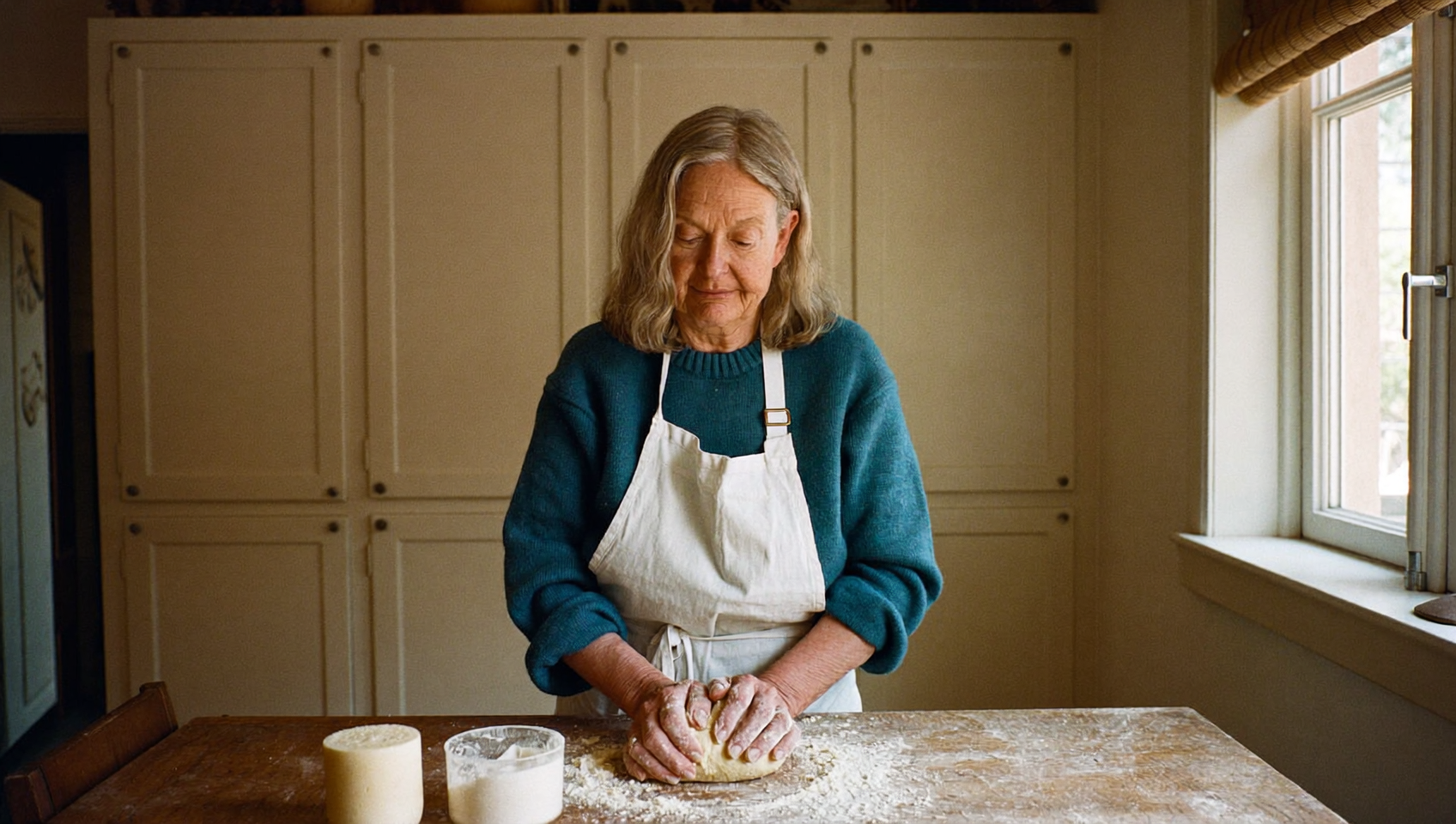
You dream of turning your passion for baking into a paycheck, but Googling 'how to start' throws a wall of scary words at you: LLCs, permits, tax IDs. Let's take a breath. Starting a home bakery isn't about doing everything at once; it's about taking the right first step. And for you, that first step is surprisingly simple and answers the most important question: "Am I legally allowed to sell food from my kitchen?"
Before you worry about a business name or logo, you need to learn about your state's "cottage food laws." Think of these as a special set of rules made just for people selling homemade goods. These laws exist to make it easier to start small, outlining what you need to do to operate legally right from your own kitchen. They cover common restrictions like income caps (how much you can sell per year) and which types of foods are allowed, which often includes low-risk items like cookies, breads, and jams.
Finding your local rules is the most important legal checkpoint. It's a quick search, not a complicated legal process. Here's how to start:
Open Google.
Search for "[Your State] cottage food law" (e.g., "Ohio cottage food law").
Look for a link from an official source, like a .gov website, for the most reliable information.
This single search will tell you almost everything you need to know to get started on the right foot.
Don't Sell Everything: How to Find Your Profitable Niche
When you first decide to sell your baked goods, the temptation is to create a huge menu. Brownies, cakes, cookies, pies—you can do it all, so why not offer it all? This approach feels generous, but it's often a recipe for burnout, not business. Juggling dozens of different ingredients, shopping lists, and baking schedules is overwhelming. A successful home bakery menu doesn't need everything; it just needs the right thing.
Instead of being a general "baker," what if you were the person for incredible vegan cupcakes? Or the local go-to for decadent, gooey brownies? That one specialty is your niche. Finding a profitable baking niche isn't about limiting your talent; it's about focusing it. Ask yourself: what's the one treat friends and family always rave about? What do you genuinely love to make, even on a Tuesday night? That's your starting point.
A narrow focus makes you instantly memorable. It's far easier for customers to understand what you do and, more importantly, to recommend you. "You need amazing sugar cookies for a party? You have to call Sarah!" is much more powerful than, "My friend Sarah bakes."
Specializing also helps with everything from choosing your packaging to brainstorming bakery business name ideas, allowing you to build a clear and professional brand from day one.
The Simple Formula for Pricing Your Baked Goods for Profit
Figuring out how to price homemade baked goods feels tricky, but the most common mistake is also the easiest to fix: charging only for ingredients. A real business price must cover more than just flour and sugar. To build a sustainable venture, you need a price that respects your product, your effort, and your future goals. Calculating your core home bakery costs doesn't require a complicated spreadsheet, just a simple formula.
To find your price, you first need to know your true cost per batch. Don't guess, add it up! Your time is the most valuable ingredient you have, so make sure you pay yourself for it. Think of it like this:
Ingredient Cost: The total cost of flour, butter, sugar, vanilla, and chocolate chips for one dozen cookies.
Packaging Cost: The price of the box, ribbon, and logo sticker.
Your Labor Cost: If it takes you an hour to mix, bake, and package, decide on a fair hourly wage (e.g., $15) and add it.
Adding these three numbers gives you your Total Cost. That's your break-even number. To run a profitable business, your price must be higher. The amount you add on top of your Total Cost is your Profit Margin. This isn't greed; it's the fuel for your business. Profit is what allows you to buy a better mixer or handle a surprise expense.
The "Good Enough to Start" Home Bakery Toolkit
Thinking about equipment can be overwhelming, but the gap between a hobby and a business often comes down to one tool: a digital food scale. While your favorite recipes might use cups and spoons, paying customers expect consistency. The chocolate chip cookie they buy today must taste exactly like the one they rave about to a friend next week. A scale is the single most important piece of essential equipment for a small bakery business because it guarantees every batch is identical, turning your art into a reliable product. This isn't about expensive gear; it's about precision.
Beyond the scale, you likely already have what you need. A powerful stand mixer is a fantastic asset, but it's not a day-one requirement if you don't own one. The real workhorses are simple, sturdy aluminum half-sheet pans that heat evenly and prevent burnt bottoms. Resisting the urge to buy every specialty pan and gadget is how you manage startup expenses; the massive difference in home bakery vs storefront costs is your biggest advantage, so use it. Focus on mastering your core offering with the tools you have, not the tools you think you need.
The final piece of your toolkit isn't for baking at all, it's for presentation. Professional packaging, like simple cardboard boxes with a branded sticker, instantly elevates your product's value. A customer who receives a beautiful box feels like they've purchased a special treat, not just a homemade cookie.
Business Structure in 60 Seconds: LLC vs. "Just You"
The moment you sell your first box of cookies, you're already operating as a business. The government calls this a Sole Proprietorship, and it's the simplest way of starting a baking business legally. There's no mountain of paperwork to get started; the business is simply an extension of you. This is the default path for most new home bakers, making your first sale an official and exciting first step.
So, what about all the talk of forming an "LLC"? An LLC, or Limited Liability Company, is best imagined as a protective shield. It creates a formal wall between your business finances and your personal finances (like your home or savings account). The debate over an LLC vs sole proprietorship for bakery is common, but the most important thing to know is that an LLC provides a stronger layer of personal protection as your business grows.
This is a decision that can paralyze many aspiring entrepreneurs, but it doesn't have to be your story. Most bakers start as a sole proprietorship and transition to an LLC later, once their business is bringing in consistent income.
How to Get Your First 10 Customers (Without Spending a Dime)
With the legal stuff sorted, you're facing the most exciting (and nerve-wracking) part: finding people who will actually pay for your delicious creations. Forget expensive ads or complicated websites for now. Your first customers are likely already following you on Instagram or are friends with you on Facebook. These are your people, and they're the foundation for one of the best marketing strategies for a new bakery: building from a community that already loves you.
Announcing your new venture to friends can feel awkward, so don't just post a picture with a price. Share your excitement and give them a clear Call to Action, that's simply business-speak for telling them exactly how to buy. Try a post with a fantastic photo and a caption like this:
"Big news! So many of you have encouraged me to sell my salted caramel brownies, and I'm finally doing it! I'm baking a limited batch for pickup this Friday. They're $18 per half-dozen. Send me a message to claim yours!"
Notice the magic words: "limited batch" and "this Friday." This simple trick creates a friendly sense of urgency, known as scarcity. It encourages people to order now rather than thinking, "I'll get some eventually."
How to Professionally Track Orders (for Free)
An order from your cousin, a question from a stranger, and a payment confirmation from a friend, all mixed in with your personal chats. It's a recipe for disaster. Relying on DMs and texts is how orders get missed, details get lost, and you end up looking disorganized. To build a real business, you need a single, organized place for information.
This is where you graduate from "friend who bakes" to "business owner." The best first step is creating a simple, professional-looking order form. A free Google Form works perfectly and acts as a basic online ordering system for home bakers. You can link to it directly in your social media bio, making it easy for customers to see you're serious.
When you set up your form, think like an investigator. You need to collect a few key pieces of information for every single order to ensure things run smoothly. Your form should always include:
Name, Email, and Phone Number: For receipts and last-minute updates.
Your Order: Let them choose items and quantities from a list.
Preferred Pickup/Delivery Date & Time: This helps you manage your baking schedule.
Notes or Special Requests: For allergies or custom messages.
With a real order system in place, you're not just baking anymore. You're officially running a business.
You've Taken the First Steps, Here's the Full Roadmap
Just a short while ago, the idea of starting a baking business was likely a confusing mix of excitement and anxiety. Now, that's changed. You've traded overwhelming questions for a clear starting line. You know how to check your local laws, price your first product for profit, and take that first order. You've successfully transformed a vague dream into a tangible, actionable plan.
Taking these first steps is a monumental win, but this is just the beginning of your journey. Instead of getting lost in a thousand more Google searches, what if you had a guide for every single step? At buildthedamnthing.com, we created our the free Builder Type quiz program for this very reason. It's a guided course designed to take you from hobbyist to business owner, one manageable step at a time. If you're ready to stop dreaming and start doing, join us, and let's build this thing together.