
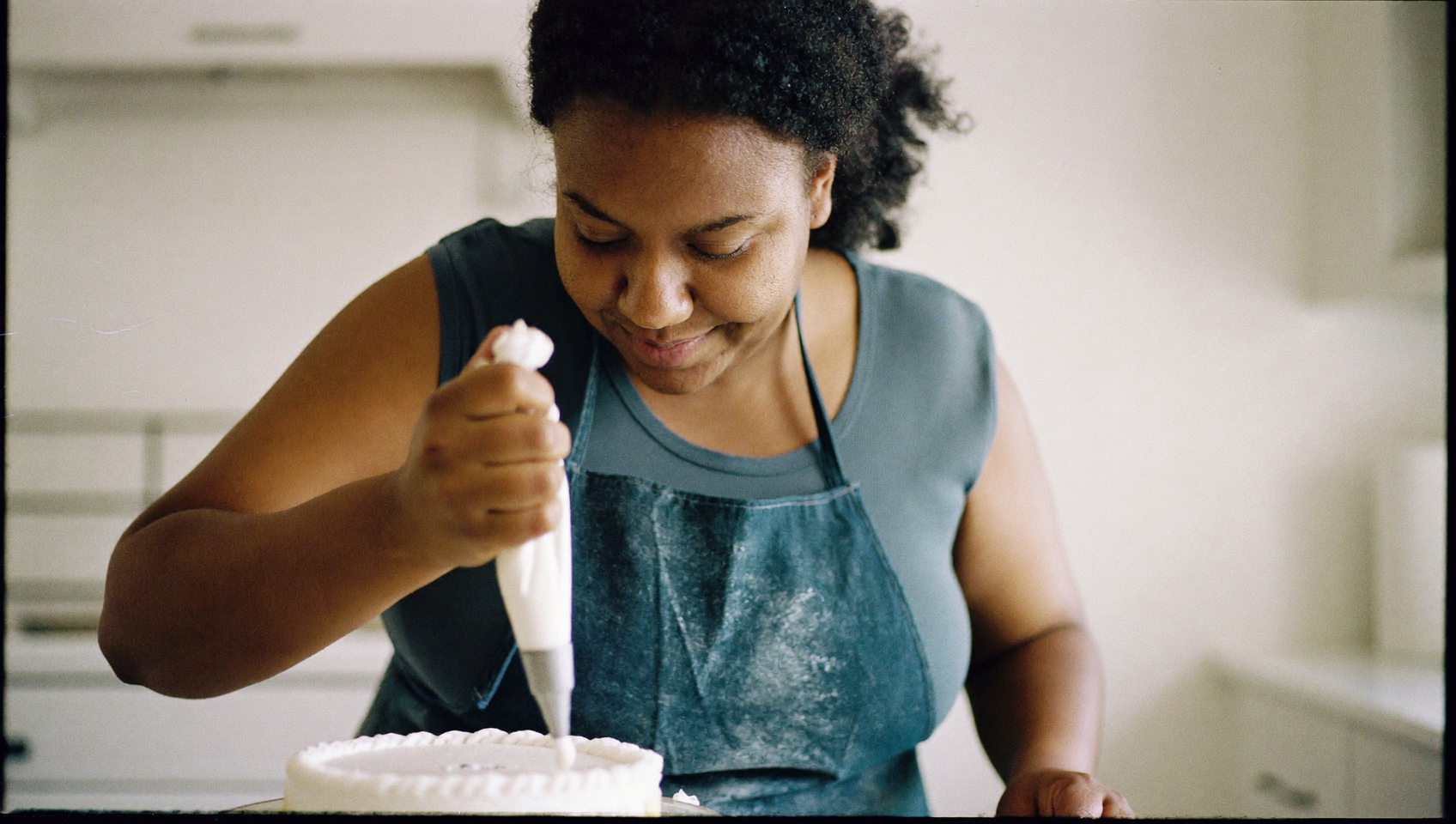
It always starts with the same five words: "You should sell these cakes!" You hear it at every birthday party and family gathering. While you love the compliment, it immediately brings up a terrifying question: How much would you even charge? The thought of picking a number out of thin air can be more intimidating than a five-tiered wedding cake.
Your first instinct might be to just add up the cost of your flour, sugar, and eggs. This is the single biggest mistake new bakers make. Knowing how to price custom cakes for profit means accounting for more than just ingredients; it means valuing your time, your skill, and all the hidden costs of running a real business.
A simple guideline used by many home bakers is the 3x Ingredients Rule. Say you're making a beautiful 8-inch vanilla bean cake and your high-quality ingredients cost you $15. Using this rule, your starting price is $45. This isn't random, $15 covers your supplies, and the other $30 is what pays you for your time, electricity, expertise, and even that professional-looking cake box.
This simple formula removes the guesswork and guilt, giving you a fair and profitable baseline. Having a confident answer to the pricing question is one of the first steps in starting a cake baking business. From here, calculating startup costs for a bakery and planning for growth feels far less overwhelming and much more achievable.
Demystifying Cottage Food Laws and Permits
The legal side of a home bakery often feels intimidating, but it's usually more straightforward than you think. The magic phrase you need to know is Cottage Food Laws. These are the specific rules your state or county has created to make it possible for people just like you to sell food made in a home kitchen. Think of it as the official rulebook that tells you exactly how to operate legally and safely.
Finding your local rulebook is your first official mission. The information you need is just one search away, and it transforms this scary step into a simple task. Here's exactly what to do:
Open Google and type in: "[Your State] Cottage Food Laws". (Sometimes adding your county helps, too!)
On the official government website, look for the sales limit (how much you can sell per year) and the list of approved foods.
Find the link to register or apply for your permit. It's often a simple online form.
As part of this process, you'll likely need to get a Food Handler's Permit. This isn't a scary exam. It's typically a short, online food safety course that you can complete in an afternoon. For a small fee and a bit of your time, you get the official green light and the peace of mind that comes with running a legitimate business. Once you've checked that box, you can start focusing on the fun part: getting the right equipment for the job.
Essential Gear: What You Actually Need vs. What You Can Buy Later
Now for the fun part: gear! While it's tempting to buy every shiny gadget you see on Instagram, your first big business win is being smart with your startup budget. The truth is, you likely already own 90% of what you need to make a delicious cake. The key is adding a few strategic pieces of essential equipment for a small cake business that bridge the gap from talented hobbyist to trusted professional. This isn't about buying more; it's about buying smarter.
Forget the fancy airbrush kit for now and focus on items that deliver consistency and professionalism. Your first upgrade should be a digital food scale. This isn't about being fussy; it's the secret to guaranteeing that your tenth cake is just as incredible as your first—and consistency is what brings customers back. Second, invest in professional cake boxes. A sturdy, clean, white box is your customer's first impression, signaling that you're a serious business worth paying. Sourcing these online is simple and, along with a basic cake turntable for sharper decorating, completes the trifecta of a polished home bakery.
These tools aren't about spending a lot of money; they're about elevating the incredible skill you already have. By investing in consistency and presentation, you create a premium product that looks, feels, and tastes like it came from a professional kitchen—because it did. Now that your operation looks the part, it's time to find the people who are excited to pay for your creations.
How to Get Your First 10 Cake Orders (Without Spending a Dime)
Finding your first paying customers feels like the biggest hurdle, but the secret is starting with the people who already cheer you on. Forget expensive ads; your initial marketing plan is simple and free. The most effective marketing ideas for a new cake business begin with your 'First Circle': the friends, family, colleagues, and neighbors who have been telling you "you should sell these!" for years. They are your built-in fan club, and they are the perfect foundation for building an online cake brand from a place of genuine support.
Announcing your business on your personal social media is your first move. Don't overthink it; just be authentic and excited. Post a beautiful photo of a recent cake and use a simple script like this:
"Some exciting news! After so much encouragement, I'm officially taking orders for custom cakes. If you have a birthday, celebration, or just a craving for something delicious coming up, I would be honored to bake for you! Thank you all for believing in me!"
This simple post turns your existing network into your first wave of customers and word-of-mouth marketers. Once you've shared the news with your personal circle, it's time to expand. Look for local community Facebook groups for your town or neighborhood. Many allow small business owners to post on a specific day of the week. A quick post introducing yourself and your cakes can put you in front of thousands of potential local customers instantly. This is a key step in learning how to start a home bakery with real community roots.
After these first few orders, you'll start to notice what people are most excited about—maybe it's your decadent chocolate fudge cake or your elegant floral designs. This early feedback is pure gold. It's the data you'll use to go from being a general baker to a sought-after specialist, which is exactly how you begin defining your unique cake niche.
Beyond the Basics: Defining Your Unique Cake Niche
Those first orders do more than just bring in cash; they provide clues to your future success. While it's tempting to be the baker who does "everything," the fastest way to grow is to become the go-to person for something. This specialty, or niche, is a powerful marketing tool. Instead of shouting into a void, you'll be speaking directly to the exact customers who are looking for what you do best. It's a core part of any simple cake business plan for beginners.
So, what could a specialty look like? It doesn't have to be complicated. The goal is to be known for a particular style or service that sets you apart. Profitable cake niches often fall into categories like these:
Themed Kids' Birthday Cakes: Mastering popular characters and vibrant, fun designs.
Elegant & Minimalist Wedding Cakes: Focusing on sophisticated flavors and clean, modern aesthetics for a high-end market.
Allergen-Friendly Desserts: Becoming the local expert for delicious gluten-free, dairy-free, or vegan cakes that solve a real problem for customers.
The secret to developing a niche for your cake business isn't about chasing trends—it's about looking inward. What creations make you lose track of time? Which cakes earn the most heartfelt compliments? Is it your intricate piping or your rich, decadent flavors? Your passion and existing skill are the strongest indicators of a niche that you will not only excel at but also love building.
Having a clear specialty is the foundation for building an online cake brand that people remember and seek out. It clarifies your message and makes every decision, from photography to pricing, much easier.
Your First Online 'Shop': A Simple Setup for Taking Orders
Once your amazing cake photos are online, the inevitable question follows: "How do I order?" Managing requests through messy direct messages is a recipe for chaos, and platforms like Etsy often feel too rigid for custom, local sales. Many new bakers get stuck here, thinking they need a full, expensive website, but this is a common myth that stalls progress when you're first building an online cake brand.
Instead of a website, your first online shop can be a simple, professional, and free "link-in-bio" page. Think of tools like Linktree or Carrd as a digital business card that lives in your social media profiles. It gives your customers one clean, central place to go, making you look instantly more organized and serious about your craft. This approach elegantly sidesteps the cost and technical headaches of comparing Etsy vs a personal website for selling cakes by choosing a smarter, simpler third option.
This mini-page acts as your online headquarters. From here, you can link to your Instagram gallery as a portfolio and, most importantly, to a simple order inquiry form using a free tool like Google Forms. This becomes the best software for managing cake orders in the beginning, neatly collecting all the crucial details, flavor, date, and customer info, in one organized spreadsheet. This simple, free setup is the final piece of your business foundation, turning social media browsers into actual customers.
You Have the Recipe for a Business. Now, It's Time to Build.
Just a short while ago, the business side of baking felt like a mystery. Now, you have the essential recipe for starting a cake baking business: you know how to price your work, how to get legal, and how to find your first customers. You've transformed those "what ifs" into a clear and achievable plan.
But reading a recipe is different from baking the cake. If you're ready to turn this plan into a reality, you don't have to do it alone. The the free Builder Type quiz at buildthedamnthing.com is a guided program designed to help you take action, step-by-step. It's time to build the damn thing.